

Episode Summary
Mark Greenhalgh and Hal Sutton discussed the upcoming Ryder Cup, highlighting the challenges of weather and scheduling.
Also Available On


Episode Transcript
Welcome into Be the Right Club today podcast for September 24 Hal Sutton, Mark Greenhalgh, with you here today. How? How’s it going? Good?
Hal Sutton 1:05
Mark, fun week this week with Ryder Cup. So all excited. Just like every other golfer in the world, I’m I’m just as excited.
Mark Greenhalgh 1:15
Yeah, well, you know, Maddie B and I talked about Ryder Cup last week as well. You and I talked about it two weeks ago, but this week, when we get into it, we’re going to talk more about the week of you know, here we are on a Wednesday. We’ve got practice rounds that have happened. Unfortunately, this week, they’re going to have some weather on Thursday, so they move the opening ceremonies up. But we’re just going to pick your brain as a former captain of the Ryder Cup, just to kind of feel out how things go, what the captain needs to do, how he leans on his vice captains. We might even talk about the magical envelope that’s only ever been used twice in the history that I know of, of the Ryder Cup. But first, we’re going to start with our recap of last week on various tours, we’re to start with the LPGA Tour, the Northwest Arkansas championship on the LPGA Tour was rained out after only 18 holes. Now people got paid. It was an official event, and there was no winner, no points. So Sarah Schmelzel and Minami Katsu both fired eight under 60 threes, they get to split the winner share of the purse while the entire field got something for showing up. So let me ask you this. We know that. You know, weather plays a factor A lot of times back when you were playing on the PGA Tour, what’s the least amount of holes that you ever had to play in a golf tournament before it was either canceled or delayed or whatever? What’s the least amount of holes? They only played 18.
Hal Sutton 2:47
That’s all we played. I remember one time here in Houston, the weather was just flooding, and we played 18 holes and moved the ball everywhere. You couldn’t have played it any other way, because everything was casual water. But, you know, I think it was unofficial. I don’t think anybody actually people got paid because they came, but it was unofficial.
Mark Greenhalgh 3:15
Yeah, so that begs the question, what do you do, like, if you’re the commissioner or if you’re the tournament director? Now, it was an interesting situation for the LPGA Tour, because they don’t have an event this week, so they had the week off, and I know maybe the golf course was unplayable, but how many times did you have to spill into a Monday? We know the famous be the right club today was on a Monday. But did you have a problem with things spilling over to Monday? Could it have gone to Tuesday, knowing that they don’t have a tournament this week? Of course, the bad part for them is the following week, they’re in Hawaii, and we know that for the most part, it takes a long time for everybody to fly out to Hawaii. So what would you do, from that standpoint, do you just kind of call it off if it doesn’t look like it’s going to be playable on Monday? Do you go to a Tuesday? Do you try and get at least 36 holes to be in to get an official event in a winter?
Hal Sutton 4:05
Well, the PGA Tour always tried to get an official event and tried to get a winner out of it. We went in. We spilled over into Monday. Up quite a lot spilled over into Tuesday. On occasion, never spilled any further than that. That I remember, and always a consideration was the next week, because you had sponsors and you had golf course, you had Pro Am partners, you had to be considered of the next week as well. So, you know, within the case of the LPGA, they didn’t have a an event this week, but the biggest event in the world was going to take place this week, so the Ryder Cup, and I’m certain they didn’t want to spill over into any of that. So, you know, they were in a tough position. And I guess they made their call, and they played 18 holes, and people got paid.
Mark Greenhalgh 5:00
Yeah, but it is kind of that catch 22 right? I mean, I know that, especially with the PGA Tour players, a lot of times on Mondays, maybe you have a sponsor outing or somewhere that you have to be so those become issues as well. And then you get the infamous, you know, WDS that happen if a guy, you know, let’s just say that something spills over into into a Monday. Just to get maybe 36 or 54 holes in, there’s been a cut. You know, guys are going to finish at the bottom. They’re not going to make the money. It’s not worth their while. A lot of guys do withdraw from a golf tournament. So obviously, if you’re at the top of the leaderboard, you want to go and you want to try and win or win more money or get more points, but if you’re at the bottom, it’s maybe the other side of the fence.
Hal Sutton 5:46
Well, I’ll share this story real quick. It’s an interesting story. Some might remember this the year that tiger won the World Series of golf by seven, and he and I were in the last group, and we finished in the dark on 18 that day, right, right? I had to be in Jamaica for the shells. Wonderful World of golf the next day. And, you know, I was willing to cancel, basically. But tiger said, nah. He had some place. He had to go, and we’re gonna finish. And so he has seven shot lead on me. I finished second. Only person that could lose any money if I bogey the 18th hole was me, and I said, Okay, so we finished in the dark. I was lucky enough to make a par. I ended up finishing second. But, you know, we both had places we needed to be the next day, but we finished All
Mark Greenhalgh 6:38
right, so who were you playing in Shell’s wonderful world of golf on them. On Monday in Jamaica,
Hal Sutton 6:42
I supposed to play Vijay Singh, and he canceled out and ended up playing Notah Begay, and the wind blew 40 miles an hour that next day. And neither one of us played very well, but I ended up beating nota by a shot or two. And somehow, some way, anyway, we showed up late and got there and got it done.
Mark Greenhalgh 7:01
Wait, well, what was Vijay doing? If he wasn’t, was he playing with you guys?
Hal Sutton 7:06
No, well, he had been there, yes, but I don’t know what Vijay did. I think he got sick. I think he said he got sick. Who knows?
Mark Greenhalgh 7:15
Sick of knowing that he was going to lose to you, maybe, right?
Hal Sutton 7:19
Sick or something, you know,
Mark Greenhalgh 7:22
all right, well, let’s continue our recap of last week. John VanDerLaan wins his first career event on the Korn Ferry tour at the nation’s wide Children’s Hospital championship. Get this hell becoming the 17th first time winner on the Korn Ferry tour this season. So that’s a huge number.
Hal Sutton 7:42
That is a huge number, and that just goes to show you how difficult the Korn Ferry tour is. There’s so many good players out there and many people capable of winning, but so hard to, I mean, you got to shoot so many under to win out there. It’s unbelievable. So lot of great golf on the corn ferry tour.
Mark Greenhalgh 8:00
Yeah, and you know, and you’re starting to find out that I’m a bit of a stats guy, but John stats did not tell us about his winning story. He was seventh in the field in putts per green in regulation. He did tie for second in greens in regulation, but of the 12 greens that he missed in regulation, he only got it up and down five of those 12 times. Now he did rank first in birdies with 27 so he did make some putts, and who knows, maybe his strokes gain putting was either first or second in the field, but the Korn Ferry tour does not track that data, so, but speaking of putters, again, I’ll bring up our make field putters. Again, you’re the spokesperson for make field putters. They are made in the USA. They use such great technology, like their radio CUSP technology they want they help you strike the ball on the equator every time they have their three weight system to help you. Again, I use a little bit more weight in the toes of that putter to help me from my a slight pull that I have. And they have a bunch of different styles, and you can even personalize their putters. They have that reduced skid effect to make sure that that ball starts rolling immediately. And I want to tell you how I actually played a round of golf today. It was my first in 81 days, and I did have 33 putts. But I started out, I had 11 putts in the first five holes. And then after that, I got really good with my make feel putter. I started rolling some in. I ended up with making four birdies in the rest of the round. So it went well for me on the putter side. And man, people need to go out to make field golf.com and check them out. Well,
Hal Sutton 9:43
the technology is fantastic, and I really, I’m a big Arkansas Razorback fan, and they did a personalized putter. Put a Razorback on the bottom of my putter, and it’s red. And you know, I love the personalized part of it, you know, so much. So today. I probably wouldn’t have putted with it whenever I was younger, but I didn’t want to divulge who I was pulling for all the time, but now I do so the technology is great. The ball gets on the ground early, and that’s key to being a good putter. So and then on top of that, you better be a good reader of the greens. You’re not gonna make any putts if you can’t read the greens. We’re
Mark Greenhalgh 10:23
gonna talk about that kind of stuff on one of these podcasts, one of these weeks. But yeah, you and I actually have another tie there. You know, Danny Ford was the coach at Clemson when I started at Clemson, and then after his let go at Clemson, he ended up at Arkansas for a little
Hal Sutton 10:38
while. Yes, he did. He did good coach. And you know, I’d hate to be a football coach right now, though, because there’s not much loyalty. It’s either win or we’re not going to be loyal.
Mark Greenhalgh 10:51
Well, there’s and there’s a lot of loyalty to the dollar bills and not to the schools anymore, either.
Hal Sutton 10:56
So I agree with that. And I you know, they’ve ruined college sports, in my opinion, with this nio money. So the moment that has a whole nother podcast, there it is that is,
Mark Greenhalgh 11:07
well, we’ll get back to our recap on the PGA TOUR Champions. Doug Barron earned his fourth win and his first since the 2024 regions tradition, if you’re not familiar with some of the events on the Champions Tour, the region’s tradition is their first major championship of the year. So Doug won that last year. He got it up and down 16 of 17 times at none other than Pebble Beach hell. That is a magnificent display of short game, because you and I both know how difficult Pebble Beach can be to try and get the ball up and down.
Hal Sutton 11:43
That’s one of the best stats you could come up with, right there. I mean, I can’t imagine getting it up and down 16 out of 17 times. So he,
Mark Greenhalgh 11:51
maybe he was using a make field putter, we don’t know, but if he wasn’t man, he maybe he can give the rest of some some putting game pointers, or some short game pointers,
Hal Sutton 12:00
because I’m certain that it wasn’t all putter. He had to chip some of those mighty close to do that. So, oh yeah. And
Mark Greenhalgh 12:07
this is an interesting stat. So Doug Barron played 375 times between the Korn Ferry tour and the PGA Tours, and never won. And he now has four wins in 117 starts on the champ tour. So let me ask you this, do you think some of these guys take their drive from maybe never winning on, you know, the PGA Tour, or, you know, the Korn Ferry tour, and somehow parlay that into winning ways on the 50 plus circuit? It just seems that some of these guys that maybe didn’t have that success. I don’t know what it is, but they seem to have a lot more success on the Champions Tour. And I don’t know if it’s just less pressure, more fun. You know, they don’t age as quick as some of the rest of us do. But how do you explain that?
Hal Sutton 13:00
Well, I might look at it from the other side. A lot of the guys that won a lot on the regular tour don’t have the same drive to win on the Champions Tour that they did when they were playing the regular tour, which is an opportunity for the guys that didn’t win a lot. It’s kind of their opportunity to show their drive
Mark Greenhalgh 13:26
well, you know, and that begs the question. I mean, we saw, you know that Phil was going to go do play out there until he did the whole live thing. What do you think Tiger’s going to do? I mean, Tiger can take a golf cart out there. We might think that that allows him to get around a golf course with less stress on what his body’s gone through in the last few years. Do you think that tiger? I mean, tiger has to, in my estimation, as much drive as anybody I’ve ever seen. I mean, that’s evident by the fact that with all the back surgeries and the knee surgeries and the Achilles surgeries and the car accident that you know he’s still trying to play competitive golf. Do you see him going out on the PGA TOUR Champions?
Hal Sutton 14:12
I don’t see him playing much out there. I really don’t. I know the world of golf would love to see him play a lot. I think each and every week that he doesn’t play competitive golf, he is losing some desire to do it. He’s living his life. I don’t know what he does every day, but I know he’s not he’s probably not working nearly as hard as he used to work, and this, I know for a fact, he expects to be performing at a level similar to what he used to perform at, and his body’s not going to let him perform at that. His brain will still think like he used to think, but his body is not going to participate at that level, and that could be very frustrating. Me. So I know that from my own personal experience. You know, my brain feels that it’s still youthful. My body says, don’t swing that hard. Don’t go to your left side like you used to. It hurts. So I’m speaking from experience here,
Mark Greenhalgh 15:17
and I experienced that today because my left shoulder, I’m a left shoulder sleeper, and my left shoulder has not been happy of late. And I hit three bad tee shots. I hit three bad tee shots out of bounds today. It cost me five strokes over par between those three shots, and I shot five over par. And but it was to your point. It was, you know, I was hitting it well, and I had to really be conscious of taking the club back only to a certain point, and then getting the timing right coming through, because it wasn’t a full swing. But yet, when I’m my brain took over on those three swings and said, Hey, let’s take it back to parallel, going back with the driver. And I got stuck behind it, and I hit three blocks, and I hit three balls out of bounds, and, you know, and I think that’s where tigers to your point. That’s where Tiger’s brain versus the body is. Well, it’s
Hal Sutton 16:08
a lot of listeners out there deal with pain, and I can tell you, when you know pain is coming, it just creates a different swing. And for a guy like Tiger that’s played at the level that he’s played at that’s unfamiliar territory. He doesn’t want that. He wants to be able to swing the way he knows how to swing and you know, probably can’t.
Mark Greenhalgh 16:31
Well, would you say that that 29 masters win was up there with maybe what Ben Hogan used to have to go through to play rounds of golf after his car accident?
Hal Sutton 16:41
Probably. So, yeah, in
Mark Greenhalgh 16:43
terms of having to deal with what he’s dealt with, and the injuries, and to your point, having, probably having tremendous pain playing, yeah, well,
Hal Sutton 16:53
pain only, I tell you this, if something is hurting, you’re going to try to make up for it with something else in your golf swing or something else in your body. When my hips were locked up and they wouldn’t turn, I tried to make my knee turn like my hips, and that knee’s not meant to turn that way. So all of a sudden I got to have my knee replaced, because I still trying to do what I used to be able to do without one of my body parts cooperating.
Mark Greenhalgh 17:22
Yeah. I hear you all right. Continuing on, Michael Kim secured his maiden DP World Tour title after holding his clutch par putt from 16 feet at the last to win the FedEx open to France by a single shot. Now Kim’s final round 65 was his first victory in seven years, having last won at the 2018 John Deere classic on the PGA Tour, he led the field in scrambling and was fourth in putts for green in regulation. Because again, the DP World Tour does not keep the stats that the PGA Tour does. So let me ask you this, why don’t you think that in this new scheduling format that some of the PGA Tour players don’t take more advantage of these types of exemptions on the DP World Tour, and that exemption is that the maximum of the leading available 10 players who are entered into this tournament and are not otherwise exempt come from within the top 70 of the FedEx Cup standings at the conclusion of the 2025, FedEx Cup playoffs. So in other words, you had guys that didn’t have a PGA Tour event that finished in the top 70. So they made, you know, the playoffs, and maybe they got cut after that first week, and they hadn’t played in a few weeks. I don’t see why 10 of these guys weren’t over there playing in this tournament.
Hal Sutton 18:53
So you want me to answer that? Yeah,
Mark Greenhalgh 18:55
I do. Would you know if you were in that situation? Would you go do that to maybe, I mean, throw yourself a bone knowing that you’re not going to play for maybe a month on the PGA Tour. At that point,
Hal Sutton 19:08
everybody operates to a different beat and a different drum. I, you know, going overseas to play golf, they’re just not as hungry, you know, and I don’t know, I can’t give you another reason other than that. They’re they’ve made a lot of money. If they finished in the top 70, they’ve already made a lot of money. They have probably not spent a lot of time with family. I could give you 1000 reasons why. Some might not do it, and you know, none of them might be justified and but they were all justified to them, I’m sure, because they didn’t do it.
Mark Greenhalgh 19:47
Is there a crossover point in a career where you’re young and you want to play as much as you can, and you get over older? There’s family obligations? Maybe there’s kids. Is there a transition point as a professional golfer where you don’t you want to pick and choose more or, you know, I mean, because we’ve still seen guys that like to play every week, no matter how old they are, you know, we went back to a couple weeks ago. We talked about Dana Quigley on the Champions Tour. I mean, that guy played every single week out there. There are still guys that play every week out there. You know, obviously it’s a personal preference. But man, you know, I got to think that if I’m at the top of my level. I mean, you see it on all sports. I mean, you see baseball players that take a week off. Cal Ripken Jr played, how many 3000 something games in a row never wanted to take a day off. Is it just a mindset?
Hal Sutton 20:43
Well, I think there’s a lot of different reasons, you know. I mean, let’s talk about Dana quickly. He didn’t have the greatest career when he was on the PGA Tour, and he was that guy that you asked me about earlier that where he started winning on the Champions Tour, and it was his turn to be that sort of player, and he was enjoying it, and he wanted every opportunity to make up for lost ground. So in the youth of today, I would say that people reach that point that you’re asking me about at different times. But in today’s world, because the guys are making so much money. They’re reaching that point at a different time. You know, I’ll give you an example. In 1983 I was player of the year and won the money list was 440 something $1,000 you know, that was a ridiculous amount of money at that time, but it’s no money at all today, everybody next year. Everybody’s guaranteed 500,000 before you ever tee it up, more than I made when I was Player of the Year, right? So, I mean, they’re they got a different whole set of different guidelines and rules and thoughts and processes then we had. And so I don’t know if I can answer any of these questions. I’m doing the best
Mark Greenhalgh 22:03
I can. No, I love it. I want, I want the insights from somebody who’s been there. So we’re going to talk about the scheduling in our third segment. But that wraps up our first segment. Coming up next we’re going to talk about the Ryder Cup, and I’m going to ask you some real serious questions about being the captain, being under fire to set some lineups and look at players and what goes on behind the scenes, of the things that we don’t get to see. So stick around for that. We’ll be right back
Hal Sutton 22:31
be the right club today.
Hal Sutton 22:34
Hi, I’m Hal Sutton, 25 years ago, I had the right club at the right moment, and it made a huge difference. Today, I’ve teamed up with make field putters. I now use the right putter today. You see make field has unique radio CUSP technology. The ball releases faster off the face and keeps the ball rolling more on its axis. The result is a straighter putt, more on target.
Hal Sutton 23:00
Use the right putter today. Use a make field.
Mark Greenhalgh 23:23
welcome back to be the right club today. Podcast. Hal Sutton, Mark Greenhalgh, time for our topic of the week. Of course, none other than Ryder Cup. So man, I want to talk to you about all the stuff in the week. Now. Here we are on Wednesday, and I said it earlier that unfortunately, they had some weather coming in on Thursday, so they got their opening ceremonies out of the way. We don’t know who’s teaming up on Friday yet, but let’s just talk about leading up to that first tee going in the ground on Friday morning. So back when you were Captain, you know, and arrival to the location. When, when did you expect your players to show up? What was it? Was it a was it a Monday morning that everybody got to the team room, people got to the airport Sunday? Walk us through that. Just getting the logistics of getting everybody there?
Hal Sutton 24:19
Well, everybody had to be there by Monday. That’s what we hoped for. And everybody did, you know, I obviously got there the weekend before. In those days, we only had two assistant captains. Jackie Burke was one of them who was 85 years old at the time. And then Steve Jones was my other assistant captain, and he had won the US Open at Oakland Hills, had a bunch of health problems. And, you know, I really wanted, I asked Jackie to be there because I thought he was the most not. Eligible guy in the game at the time, and I wanted all the guys to know Him. And then Steve Jones, great guy, great friend. And you know, had been missing from the game a little bit because of an elbow injury, and wanted him to be part of it, because he won the US Open there. So nowadays they got six assistant captains, right? Or five or six, I don’t know how many. And you know, one of the funny things this is certainly deserves to be told. So Jackie got there, and I’m showing him the team room at the Townsend hotel. And you know, the PJ of America is responsible for setting up the team room, you know. And there’s arcade games and ping pong tables and pool tables and all sorts of stuff in there. And Jackie walked in, and he said, Why hell? How? I didn’t know we were going on a cruise. I thought we would put it in a golf tournament. Such a classic remark that Jackie made, you know, and just shows you how it’s changed from when he was player and Captain. And it’s, you know, entertaining.
Mark Greenhalgh 26:20
Well, I can imagine, I can only imagine what those things now, there’s probably fitness rooms, massage rooms and all, you know, video games and who knows what’s in there. Now, I’m sure some of the ping pong tables and stuff like that still remain and whatnot, but I’m sure it’s gone 16 fold since when you were there. But, and I will say, you know, from, from Keegan Bradley’s perspective, a couple of things that I saw this week that That, to me, show how invested he is in this and how much he thought he’s put into this. I mean, the opening ceremony that he did for the players with, you know, somebody from FDNY whose dad was lost on 911 I mean, he gathered everybody around the green and had this, this guy, speak, and had the national anthem song, and just let everybody know. How you know how important this is, how that you’re not just playing for yourself. You’re playing for your team. You’re playing for your country. I mean, he, in that moment, to me, brought those guys together, and the fact that he’s got Larry Nelson as an ambassador this week, somebody who was probably very much deserving of being a captain of, at some point, of the US squad, just the some of those little things that he’s done that. You know, obviously he thought about for a long time bringing this thing together.
Hal Sutton 27:47
I think Keegan has done a great job. I think he’s been into it. I think he wanted to do this. I mean, let’s just face it, if anybody else had been Captain other than Keegan, they would have picked Keegan to play on this team, right? And the only person that wouldn’t pick Keegan was Keegan. And, you know, so I don’t care what anybody says, you know, I don’t know whose place he would have taken, but he’d been on that team, and so that proved to you right there. How much he wanted to be the captain?
Mark Greenhalgh 28:22
Yeah, so let’s take the next step. So we we get everybody settled in. And, you know, obviously, do we play practice rounds on Monday, we get guys out there, you know, maybe for nine holes. How did you guys work through the practice round schedule? Do you want guys playing 18? Do you want guys playing nine? Are you thinking about it from a foursomes perspective, a four ball perspective? Give me some insight as to how you set up a schedule for these guys to get out there and play in practice.
Hal Sutton 28:50
Well, I I told everybody at the beginning of the week. I said, you know, Oakland Hills is a major championship golf course. Y’all are major, major championship players. I said, y’all gather up and you play whoever you want to the first day, four of you, three different foursomes, and we’ll just watch and see how everybody plays. And then I want you to play with a different set of guys the next day. And you know, a lot of people didn’t like that, but I’ll share with you in 2004 that early 2000s is when the ball was changing dramatically. And there were a lot of different balls that everybody was playing prior to then everybody played together that played the same golf ball. There were very I forgot how many different balls there were on that team, but several and so that made pairing each other because of the ball that they played, much more difficult. The other thing that you thought about was, is who hit the ball similar distances, and you know that played a big hand a. Of you know, that played a big part in who you paired together. We had, you know, from Davis Love to Fred funk, right, in length, you know, so and I actually even played the two of them together one time, right? Just because they had similar personalities. You know, that’s the toughest thing, is trying to figure out who to pair together. Sometimes it like J Haas and Chris DeMarco played together on my team. They were great. They hit similar distance. They had similar personalities. They were pretty obvious. You know, when I played in 99 Jeff maggert and I played together, and we did quite well together because we hit it very similar distance. We played kind of alike, and we made a good team together. It’s not always that obvious, though, who should play together
Mark Greenhalgh 30:52
well it, you know, and I’m not saying from a personality standpoint, but was there anybody that you just didn’t play well with when you played? Is there somebody that for some reason, it just didn’t work, whether it was a different golf ball or just just something didn’t click with between you and somebody else. Well, the
Hal Sutton 31:10
first time I played in Ryder Cup in 1985 Trevino paired me with Craig Stadler. And I had never played with Craig Stadler before. I’d been on the tour for three years, and he was on there, obviously before me. We go to the Ryder Cup for the first time together, and we never played golf together, so I saw all different versions of it. And you know, you know, who knows what’s right? I certainly didn’t get it right.
Hal Sutton 31:39
So I pray they get it right this time. Yeah,
Mark Greenhalgh 31:44
and that begs the question, you know, from a captain and vice captain, obviously, you had Jackie Burke at 85 years old. You had Steve Jones. You had yourself. So you only had three guys. Did one of you go watch each of the foursomes play? Did you rotate around? Did you guys go together. How did you do it from watching these guys practice to get a feel for if somebody wasn’t playing well, if somebody was hitting it really well, there was some mediocre in between. What did you do in terms of watching these guys practice?
Hal Sutton 32:14
Well, we had we went different directions, actually, so that we could see everybody when there’s only three of you, and you’re trying to watch that many players. You know, I had Freddie, my caddie there, and we had a couple other caddies that were walking around with other groups that we had trusted what they thought. So we’re trying to gather as much information as we can in order to make decisions. But I will tell you this, if guys aren’t playing well, you can’t pair around that. There’s no pairing that can overcome or play. And you know, you can’t talk a guy into playing good if he’s lost, he’s lost. You know, he’s looking for it, just like everybody else is. I’ve been lost, you know, not knowing what I’m doing wrong and just trying to find it. Mark, you played a lot of golf in your life. You know what I’m talking about. I mean, when, as a player, I’ve had times in my life when I never thought I was going to play bad again. And then opposite to that, I’ve had times when I thought I’d never play good again. I thought I’d never find it. And you know, it’s if you go to the Ryder Cup as a player, and you’re not playing very good. There’s not a worse feeling in the world playing for your country and playing for a team. And you know down deep in your heart you’re not playing well.
Mark Greenhalgh 33:44
Now, do you know of either as a player or as the captain in any of the Ryder cups? Did a player ever go to a captain or say, I’m not playing well? You got to hide me, or you got to not get me out there. I mean to me, if I see somebody’s not playing well, or somebody just hasn’t got it. I mean, you got to get them out there at some point. But do you put them in four ball where at least somebody else is playing their ball, and you keep them out of the foursomes?
Hal Sutton 34:11
So I’ll tell you, yes, me,
Hal Sutton 34:14
I made the team in
Hal Sutton 34:20
2001 and we ended up not playing 2000 or 2001 whenever it shifted for Curtis, strange. And on the airplane going over there, I went to Curtis and I said, Look Curtis, because I had made the team. And then they we delayed it a year, and then I wasn’t playing as well the next year. And I went to Curtis, and I said, Look, Curtis, I’m not playing as well as I need to be playing, and you’re not going to hurt my feelings at all if you play around me. And so I played one match before the singles match, Scott ver Planck and I, and we won. And then I played in the. Singles, and I got beat in the singles, but, yeah, I went to Curtis, and I said, Look, don’t but don’t be thinking about me. You know, don’t think you’re going to hurt my feelings because you don’t play me. I’m here for the team. I want the team to win, and if I can’t help the team win, I’m going to be a big cheerleader.
Mark Greenhalgh 35:19
So was that, did you play four ball and not foursomes?
Hal Sutton 35:23
I think we Yes, I think I played four ball. Yeah, I think that’s what we played, actually. No, I think we played foursomes. Wow. I think, if I remember correctly, you know, it’s been a long time ago, Mark,
Mark Greenhalgh 35:36
so you know, when we look at what happened today in terms of who went out with whom. So the US squad had DeChambeau, Griffin, Thomas and young in a group. They had English Henley Scheffler and Spaun in a group. And you had burns can’t lay Morikawa and Schauffele in a group. The way I’m looking at it is, and I may be wrong, but you know, obviously, when you look at that second pairing, we know that Scottie Scheffler and Russell Henley played pretty well on the President’s Cup last year. So I’m thinking that they’re a pairing. I’m thinking that Harris Inc and I’m thinking Scheffler and Henley are a foursomes pair. I’m thinking in that group that spawn and English are a four ball pair. When you look at that last group, we know that can’t lay and shop lay seem to be a pairing that we like to put together on the US side, which leaves Morikawa and burns. You know, for me again, I think can’t Lay’s last guy in Not, not had a great year. I think Xander, you know, the birth of a child. I don’t think I’m rolling them out there in a foursomes on a Friday morning. So that. And again, I think more cow and burns might be a four ball pairing. So now I look at the first pair you got, Bryson, and for me, it’s cam young. And then I take Justin Thomas, who’s probably one of your most veteran guys on this team, and I maybe put him with Ben Griffin, who’s more of the new guy that really hasn’t played in anything. I know that you’ve got four rookies, but at least Russell Henley’s played president’s cup. J.J. Spaun hasn’t played in anything, and Cam young, I think, is played in president’s cup. But, you know, I think I put the veteran guy with with Griffin, and to me, they’re a four ball team. So I got, I got Bryson and Cam young, I got Scheffler and Henley. I don’t know who the other, who the other pairings are that I that I stick out there in a foursomes. And, you know, foursomes is a pretty big thing in terms of winning the Ryder Cup. The last four Ryder cups,
Mark Greenhalgh 37:48
where do you go? Where do you what are you thinking? What’s in your head?
Hal Sutton 37:52
I think I saw a stat today where the teams that have played well in the foursomes has ended up winning the Ryder Cup. And you know, it’s going to come right down to who’s playing good and who’s not. And you know they’re I’m glad that Keegan Bradley is responsible for pairing up this, and how sudden in,
Hal Sutton 38:18
you know, I’ll tell you this.
Hal Sutton 38:20
You Keegan wouldn’t have to worry about all that if he was a player, because if you’re a player, you only got to worry about one player. If you’re a captain, you got to worry about 12 players. You got to worry about their wives, and you got to worry about their caddies. And I just know that the captain’s duties are far more and you know, getting them all right is tough, and so yeah.
Mark Greenhalgh 38:48
And I look at it from this perspective. If you look at this current team, Sam Burns is oh and one and foursomes can’t lay is two and two. Collin Morikawa is two and one. Xander schaffley is two and two. Scottie Scheffler is, ironically, Owen two. Bryson is Owen two, and Justin Thomas is two and three. So we don’t really have anybody. And again, I’m thinking that Xander and Cantley, unless they show me something in practice, I’m not rolling them out there, but I guess if they show me something in practice, they’re they’re my Third Squad, and I guess to me, Colin Morikawa and Sam Burns might be my fourth pairing. But you know what’s going to happen on the European side is Luke Donald in the last Ryder Cup, he put out his top. And you know you’re going to rank, you’re going to rank your guys, your four teams, and it’s just going to happen. And he seemed to put out his two best, first and last, and then he put out his other ones in the middle. So to me, you’re going to get Luke Donald’s best pairing, either first or last, and you’re going to get his second one either first and last. So I’ve got to look at my best guys either going to go out. First and last. And honestly, if, if Bryson day Shambo is going to play foursomes, he’s go he’s hitting the first tee shot on the first hole for the US squad, and that place, to me, would go insane if he hits that thing right down on the front edge of the green.
Hal Sutton 40:18
So you’re trying to make a statement to begin with.
Mark Greenhalgh 40:20
I think so. I think you do and I think Scotty shuffle and Russell Henley go out last. And I try and figure out my other two pairings to go somewhere in between. I don’t know. I mean, when you were doing that, did you? Did you think about, how do I get the crowd into this thing early?
Hal Sutton 40:35
So I don’t know. I paired Tiger and field together and sent them out first. They were one in three in the world. I tried to make a statement mark, and it didn’t really work out that well. So my point in making that statement to you is, is it may or may not work. And I mean, I see, I see the, the method to your mentality there, but
Mark Greenhalgh 40:57
who knows? And in all honesty, you’ve said it before, the world wanted to see Phil and Tiger play together in one of these things. You had the courage to do it. I, I loved it. I loved it when it happened and it didn’t work out. And, you know, I mean, it’s, it’s an interesting dynamic, you know, how that happens. And, you know, it seems like and Phil and Tiger have some of the worst records in terms of Ryder Cup records. You know, we hope as Americans that that doesn’t happen to Scotty Scheffler is the number one player in the world. But it seems like the top Americans and those with the fanfare have struggled, and that has been Tiger and Phil over the last, however, many years.
Hal Sutton 41:40
Well, they played the most. I’m going to play the devil’s advocate here. They played the most. And by the way, because they’re some of the top players in the world, the Europeans really wanted to beat them, so they got up to beat them. And it’s tough act, I’m telling you. Haven’t been there. I played in four, Captain, one. It’s tough to figure out. And, you know, everybody’s personality is different.
Mark Greenhalgh 42:12
Yeah, and you know, tiger, did Tiger want to go out first? I know Tiger loves to play early morning practice rounds. He loves to get out there early. Did he want to go in the first group? All the time.
Hal Sutton 42:20
Tiger wants to go first all the
Mark Greenhalgh 42:22
time. Yeah,
Hal Sutton 42:26
you know, he wants to set the stage. And anyway, yeah,
Mark Greenhalgh 42:33
the envelope, for those that maybe don’t know about the envelope or what the envelope entails, that it was put in place, and I forget what year it was put in place, but it was put in place that if there happens to be an injury on one side, that the the other side opens the envelope, and the player’s name in that envelope gets to they basically have their match, and each side gets a half a point, so that we don’t have to do that. How difficult is it to have a decision to put somebody’s name in the envelope? You don’t have to reveal who was in the envelope, because I think we’ve only ever found out twice, because there’s been two injuries, and I think I know one of them off the top of my head, for the US side, was Lanny Watkins, what what thought process goes into that envelope? Is it? Eeny meeny, miny moe is it? Flip a coin? Is it throw a dart at a port? Who goes to the envelope?
Hal Sutton 43:30
It’s just a feeling that someone has. And you know, it’s guesswork, I’m telling you right now. It’s all guesswork. You know, it would be easier, you know, the precedence cup has the the deal where they pair the singles matches. It’s not just arbitrary, you know, and you’re not it’s not a guessing game. You get to pair against other players. Ryder Cup is pretty much a guessing game, just like you’ve been guessing how you would do it. That’s what we were doing well.
Mark Greenhalgh 44:06
So that begs the question, which way do you like better? Do you I personally like the captains in the President’s cup? You know, you got to put one out first, then they put one out, and then they put one out, and then you put, I like the ability to do matchups, whereas in the Ryder Cup, you’re just putting your four, you know, your four foursomes out there, and they’re putting their four, and then it gets revealed. Which way do you like better?
Hal Sutton 44:35
Well, I think, I think there’s more suspense the way the Ryder Cup does it. I think there’s more strategy to the way the President’s cup does it. I prefer a little strategy if you can use it. So I think I like the way the President’s cup does it. But you know, the Ryder Cup is a special. Special week. Everybody is all the fans are geared up for it. They’re excited about it. And certainly all the players, you know, I think the players look forward to playing in Ryder Cup, playing for your country. Nothing more special than that, or certainly wasn’t more special. It was that special to me, and I was always honored to be on the team so
Mark Greenhalgh 45:25
well, and that so that, I mean to me, what jumps out at that standpoint is, you know, we got, we’ve got Rory, and we know Rory and Bryson battled at Pinehurst not too long ago for the US Open for me, that’s why I like the President’s cup. Because, you know, in theory, those captains, if they did it in that methodology, one of those captains is going to put Rory out, and the other one can put Bryson out, or vice versa, that we could get that epic matchup. We could get the, you know, the Scotty Scheffler v. Jon Rahm because I think Scotty beat Scheffler the first time they played, and they have last time around. You know, you could get those epic matchups if you do that. I mean, obviously the team that’s ahead going into singles wants to front load their lineup with what they term their best players and go ahead and get it over quickly, and maybe put a couple of guys at the end, just in case. So you may, you know, you can kind of figure it out. If you want to, if you’re losing, you want to front load, don’t you?
Hal Sutton 46:37
Ben put in 99 he put everybody out that he thought was playing the best first six matches, and we lit it up, and it changed the whole feel of the matches. You know, it got pretty electric. The crowd got into it. And anyway, yeah, you’re gonna front load it if you’re losing.
Mark Greenhalgh 46:58
Well, the good news is, it’s Wednesday, and we’ve only got to wait till Friday morning to see who gets well, actually tomorrow night, to see who gets paired in that first foursomes match. So that’ll wrap up our topic of the week here on the be the right club today. Podcast,
Hal Sutton 47:14
be the right club today.
Hal Sutton 47:17
Hi, I’m Hal Sutton. 25 years ago, I had the right club at the right moment, and it made a huge difference. Today, I’ve teamed up with make field putters. I now use the right putter today. You see make field has unique radial CUSP technology. The ball releases faster off the face and keeps the ball rolling more on its axis. The result is a straighter putt. More on target.
Hal Sutton 47:43
Use the right putter today. Use a make field.
BTRC Audio 47:59
Now, back to more of be the right club today, presented by make field putters.
Mark Greenhalgh 48:06
Welcome back to the be the right club today. Podcast, Hal Sutton, Mark Greenhalgh, and not a whole lot to talk about, other than Ryder Cup in this week in golf, all the major tours are taking a week off. So how one question before we before we end tonight is, do you like the the wraparound schedule, the playoffs and all that stuff, or would you just prefer to start and end in one year and be done with it like you used to do?
Hal Sutton 48:36
Well, the way we used to do it is what I know and what I’m used to, so I probably would say I like it where it’s all done in one year, and we we know who did what in that year, and we move on to the next year. This wrap around stuff is a little bit harder to follow and keep up with. For me, it is anyway, maybe it’s because I’m stuck in the ice ages, you know, of my thinking, but, you know, one thing that I’ve learned mark is, is things got to change, and I’ve got to adapt to those changes, and I do my best to do that.
Mark Greenhalgh 49:15
Do you think that reducing the field sizes is going to help things too. I mean, there’s a point where you over saturate things. And it’s interesting, you know, we’ve got live golf, we’ve got the, you know, Tiger and Rory having this whole, you know, virtual golf League. You got Rory and Scotty that are going to be doing some stuff later on this year around golf, and we get to see some insights and some match play things going on. And, you know, sometimes less is better because it makes us want more, like we all wait for the football season to start, whether it’s college or NFL. I’m a fan of hockey, so, you know, I got preseason hockey right now, and I can’t wait for the for the hockey season to start. You. And it seems like sometimes, if you know the golf season is a year round thing, do we need to miss it at some point to make it a little bit better for us?
Hal Sutton 50:10
I always looked forward to the last week in October being the last event, and we had two months off. And I think in that two months, everybody got to where they missed golf and missed everybody getting together. So to your point, I would say, yes, you know, one of the things that’s happening right now in golf mark, we’ve not talked about this, but the tours are making it harder and harder for somebody to get out there. Both the Champions Tour, they’re doing away, I think, with the qualifying school, you know, it’s getting harder and harder to get on a PGA Tour. And, you know, is that good or is that bad? You know, one thing that I always liked about the tour is, is everybody had a chance to get on the tour. There was a vehicle, a pathway to get out there. And that is getting harder and harder, and you know,
Hal Sutton 51:16
so I don’t know, that’s not your question, but I had to bring
Mark Greenhalgh 51:19
that up. No, I totally agree. And well, thanks for joining us tonight. Hal Todd Burrell is going to join us next week. He’s the general manager down at Carolina lakes down in Indian land, South Carolina. He’s going to be with us going forward. So he’s going to, he’s going to pinch hit for you when you’re not around, and we’ll catch up with you in two weeks, and we’ll we’ll hopefully be celebrating a USA victory in the Ryder Cup. And again, remind everybody to head on out to make field golf.com check out the Mayfield putters. They’re made in the USA, and I’m sure that they can do something with the Ryder Cup once we win here at Bethpage black how Have a good week.
Hal Sutton 52:05
You too, Mark. And I’m sure they would be happy to put Go USA or something on the bottom of
Mark Greenhalgh 52:12
it. There you go. All right. Thanks a lot. We’ll talk to you later.
BTRC Audio 52:17
Thank you for listening to be the right club today. With your host house, Sutton and Mark Greenhalgh, presented by make field putters, you.
Episode Summary
Mark Greenhalgh and Hal Sutton discussed the upcoming Ryder Cup, highlighting the challenges of weather and scheduling.
Brought To You By Makefield Putters
Makefield Putters combines craftsmanship, engineering, and Hal Sutton’s passion for feel and performance. From the precision-milled face to the customizable weight system, each putter is built to inspire confidence and help golfers roll the ball their best.
Tour-Driven Design. Player-Focused Performance.
Makefield Putters are crafted with feedback from the highest levels of the game to help golfers roll it better.
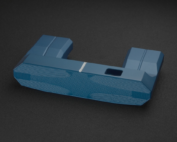
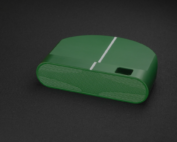
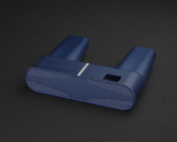
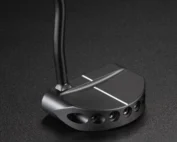

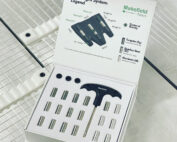


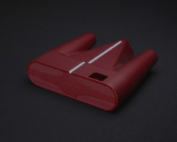
From face milling to balance and feel, every Makefield putter is designed with intention. Learn more about their approach to putter design and see the full lineup at MakefieldGolf.com.